Companion Planting: Plan Your Garden
Garden Match Cards were designed around the idea of companion planting.
The idea is that certain plants benefit from being close to one another, and the cards help you plan what to grow where by pairing suitable plants together.
Companion planting is a type of polyculture (as opposed to one crop monoculture) where two or more plant types are grown together because at least one of them shows improved growth due to the presence of the others.
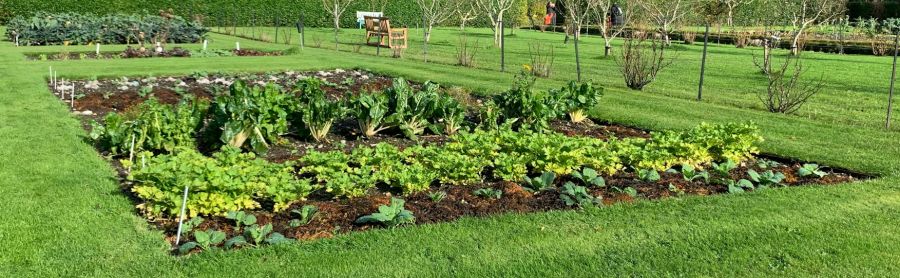
The Science of Companion Planting
Some companion planting strategies have solid peer-reviewed evidence; many traditional pairings don’t.
Multiple studies verify the Three Sisters (corn, beans & squash) polyculture has a positive impact on yields. National Library of Medicine.
Likewise trap cropping works, here is one study from the University of Tennessee documenting reduced damage to cash crops through trap cropping strategies.
Scientifically supported: three sisters, trap cropping (diverting pests), insectary strips (sweet alyssum to reduce aphids), french marigolds (nematode suppression), borage & strawberries (increased yields), basil & tomatoes (reduced thrips), marigold, nasturtium, onion & cabbage (reduced cabbage worms), physical barriers (e.g. corn or sunflower as a wind or pest barrier), biodiversity in general as opposed to monoculture has strong evidence improves resilience against insects, pathogens and climate.
However, most scent masking or companion liking claims lack scientific support.
Studies claiming companion planting can offer advantages over monoculture, underline that these are not achieved simply by combining certain plants; crop density, ratio, and relative planting times all have an impact. At the end of the day, soil quality, watering, light and climate are probably more important than planting next to the right companion.
Whatever the scientific basis, the concept of companion planting encourages gardeners to consider the characteristics of plants, their needs and how they interact with the environment, which must be a good thing, right? At Garden Match cards, we do not claim that all the pairings we suggest and plant data are scientifically accurate, however the cards do provide an insight into plant characteristics and hope to generate thought and discussion about how best to plan your garden.
As well as good companions, there are also bad companions, such as walnuts or sunflowers which can inhibit other plants from growing nearby.
How to Use Garden Match Cards for Garden Planning
Garden Match cards are designed for garden planning, simply spread the cards out on a table top, next, pick the plants you’d most like to have in your garden, then position them on the table in line with your layout. Now develop the layout by adding plants from the same sets to the plants you already have and voila. Full details on our Garden Planning Cards page.
Companion Planting on YouTube
Ben from GrowVeg provides a easy to follow overview of companion planting and covers a number of combinations to illustrate the particular benefits, e.g. garlic discourages aphids. Ben also recommends an online garden planner which includes companion planting recommendations.
Why Companion Planting Works (The Science Behind The Magic) from Epic Gardening, mentions and cucumbers next to tomatoes for weed control, and winter rye which inhibits weeds; pak choi and radish as a trap crop, mustards with biofumigate properties that helps control fungal diseases.
Does Companion Planting Work?
Garden Fundamentals discusses companion planting from a scientific perspective and says there are cases of companion planting that are valid, but that most of the claims are not.
Everything About Companion Planting is a Lie, from Luke at MIgardener, he doesn’t like companion planting but recognises that there are combinations that work. As an alternative he recommends inter cropping with three simple rules.
Thanks for use of photo from Unsplash.