16 Top Health Benefits of Gardening
Gardening isn’t just enjoyable, it doesn’t only yield food and flowers, it does more than improve the environment, it also offers significant health benefits.
It’s long been known that spending time in a garden is good for you, way back in ancient times, the Greek philosopher Epicurus, was known for his love of gardens, and established a garden in Athens that served as a sanctuary for teaching, living, and cultivating a community based on friendship, simplicity, and the pursuit of tranquillity. Today, we continue to experience the benefits from gardening and nature physically, mentally and socially using a practice professionally known as Therapeutic Horticulture.

Physical Health Benefits
of Gardening
Exercise
gardening improves strength, flexibility, endurance, and joint mobility.
Vitamin D Uptake
being outside in the sunshine increases improves bone health and immune function.
Immune System
exposure to soil bacteria and diverse microbes strengthens immunity.
Improved Sleep
from physical exertion.
Reduced Blood Pressure
regular gardening lowers hypertension risk.
Dexterity and Motor Skills
planting, pruning, and weeding maintain manual coordination.
Heart Health
studies show up that gardening can significantly reduce risk of heart disease and stroke.
Mental Health Benefits
of Gardening
Stress Reduction
gardening lowers cortisol levels more effectively than indoor leisure activities.
Anxiety and Depression Relief
nature exposure and purposeful activity boost serotonin and dopamine.
Mindfulness
repetitive tasks and sensory engagement (touch, smell, sight) ground you in the present moment.
Sense of Accomplishment
nurturing growth provides tangible purpose.
Cognitive Protection
gardening reduces dementia risk through complex problem-solving and sensory stimulation.
Attention Restoration
gardening relieves mental fatigue and improves focus.
Social & Lifestyle Benefits
of Gardening
Community Integration
shared gardens reduce isolation and build social networks.
Healthy Eating
gardeners have more fruits and vegetables and have fresher, seasonal food.
Nature Conservation
doing gardening teaches us about the natural environment and encourages to care about nature.
Biodiversity
gardening involves growing multiple plants in a small area, increasing the range of plants available for insects, birds and local wildlife.
Therapeutic Horticulture
Therapeutic Horticulture (also known as Social and Therapeutic Horticulture) is a holistic, person-centred approach to improving health and wellbeing, where guided by practitioners, people take part in accessible gardening and natured-based activities tailored to their needs and goals.
The health benefits of gardening include reductions in depression, anxiety, stress and loneliness, and improvements in quality of life, wellbeing, life satisfaction, cognition, social cohesion and physical activity.
Thrive Charity
Thrive is a leading gardening for health charity, transforming the lives of disabled people and people experiencing ill health or disadvantage through gardening. The charity …
- delivers life-changing Social and Therapeutic Horticulture programmes for hundreds of people at its gardens
- trains practitioners and advances professional standards in Social and Therapeutic Horticulture
- provides gardening advice for disabled people and people living with health conditions
- advocates to get Social and Therapeutic Horticulture recognised and more widely utilised. Find out more at thrive.org.uk
There are hundreds of free articles documenting the health benefits of gardening available from Thrive at Thrive Get Gardening well worth a browse.
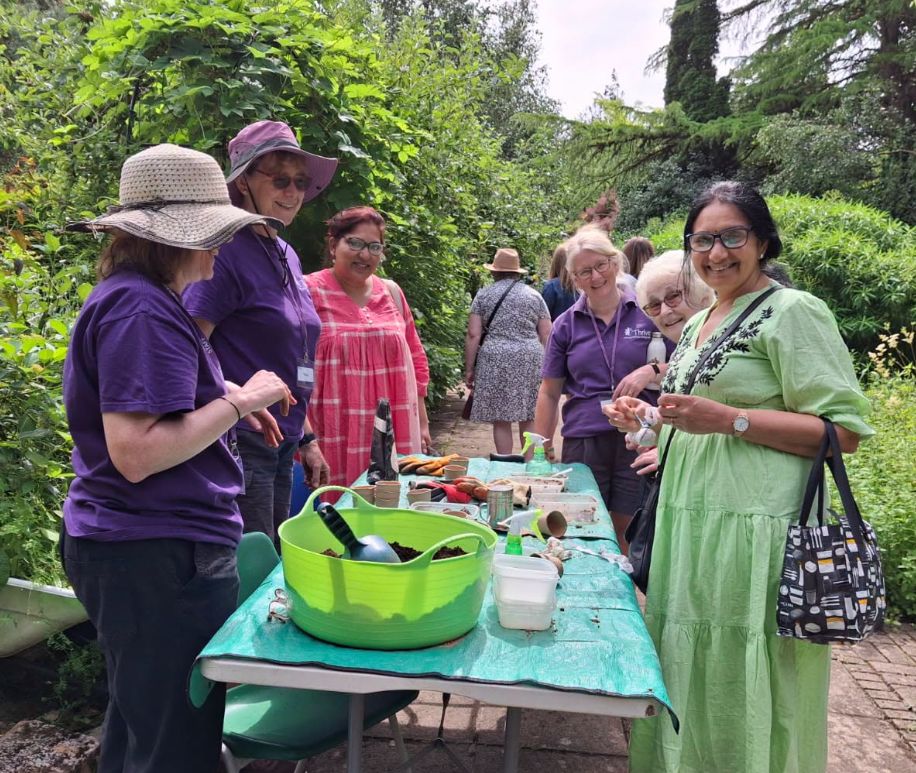
Affordable, communal and healthy for us, gardening supports people physically, mentally and socially. In a Thrive website survey, one respondent said: “I’m currently suffering from severe mental health and off sick … after reading an article I took up gardening to help my condition. Gardening has changed my life.”
As a result of attending therapeutic gardening programmes at Thrive, 100% client gardeners were happier, 99% socialised more with others and 98% improved their physical health.
More generally, 77% of gardeners report positive impacts on their mental health, 76% on their physical health and 44% on their social wellbeing.
If you’d like to encourage friends or loved ones to experience the health benefits of gardening, take a look at our Garden Match Cards, designed for playing and for garden planning, they might be just the ticket, and give someone the enthusiasm to take up the spade and fork.
Thanks for use of photo from Unsplash.