Carrots, radishes, beetroots, beans, cucumbers, garlic, peppers, tomatoes and asparagus, are all good vegetables to grow in sandy soil.
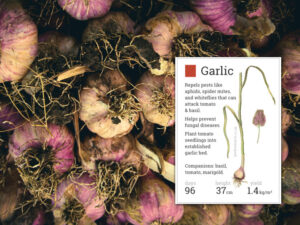
These vegetables can thrive because sandy soil drains well, warms up quickly, and allows roots to penetrate. Sandy soil is particularly good for root vegetables (carrots, radishes, beetroots, garlic) and crops like asparagus and beans, which prefer light, well-drained conditions.
All these vegetables are included in our collection of Garden Match Cards, designed to create a companion planting plan for your garden.
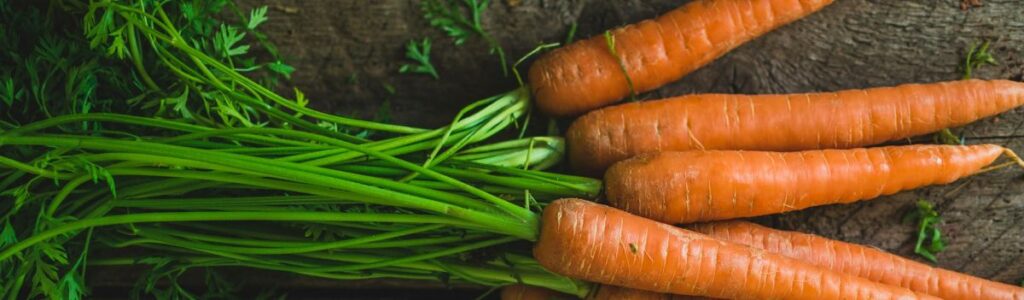
Why Root Vegetables Like Sandy Soil
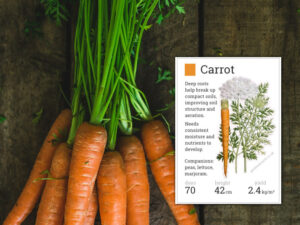
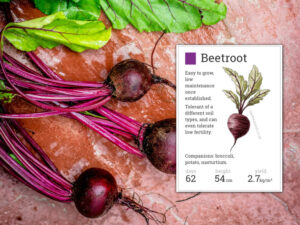
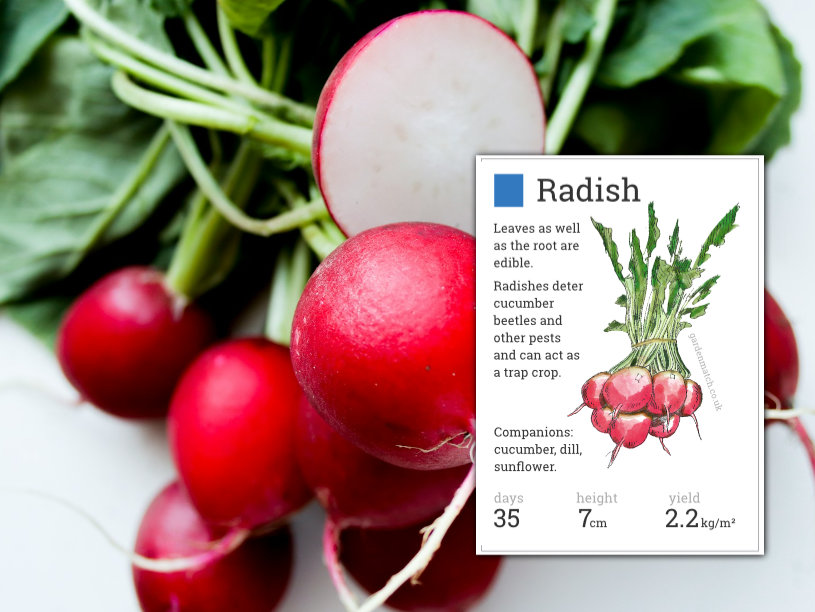
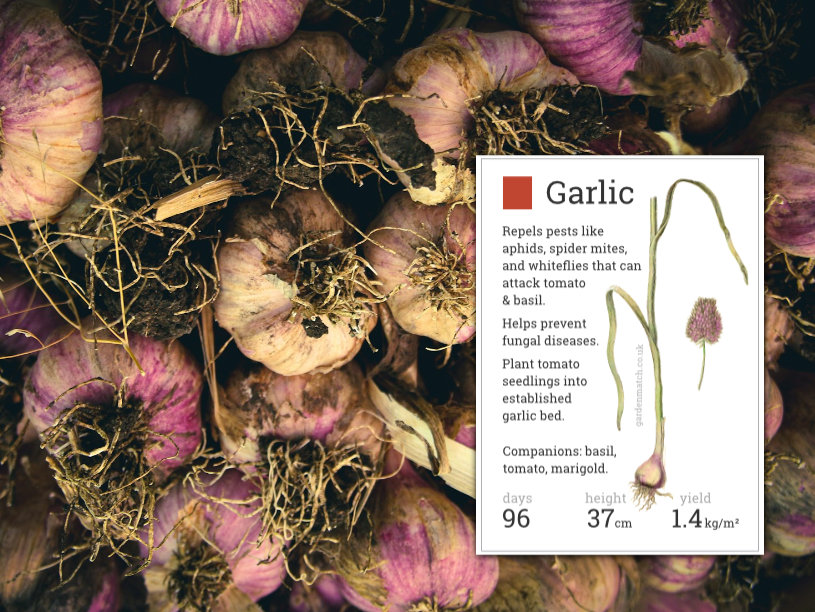
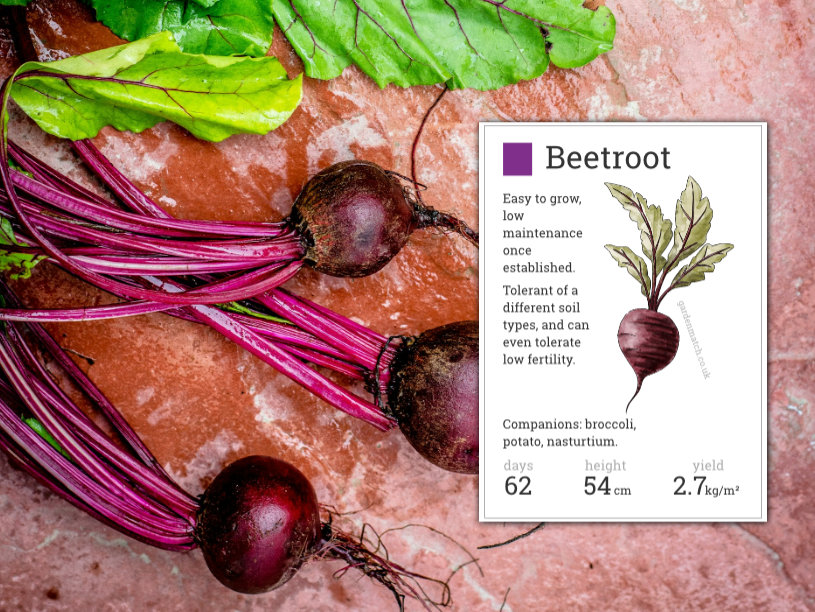
Root vegetables, like carrots, radishes, beetroots, and garlic, thrive in sandy soil because its loose texture allows their roots to grow deep and expand freely, which is essential for developing strong, healthy roots. Sandy soil’s excellent drainage prevents waterlogging, preventing root rot, and it warms up quickly in spring, promoting early growth. While warm-season vegetables need frequent fertilising and watering, root vegetables require less maintenance once established, benefiting more from deep, consistent moisture and occasional feeding.
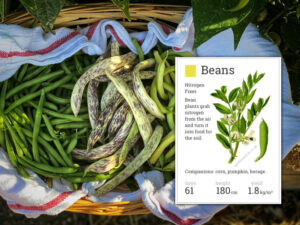
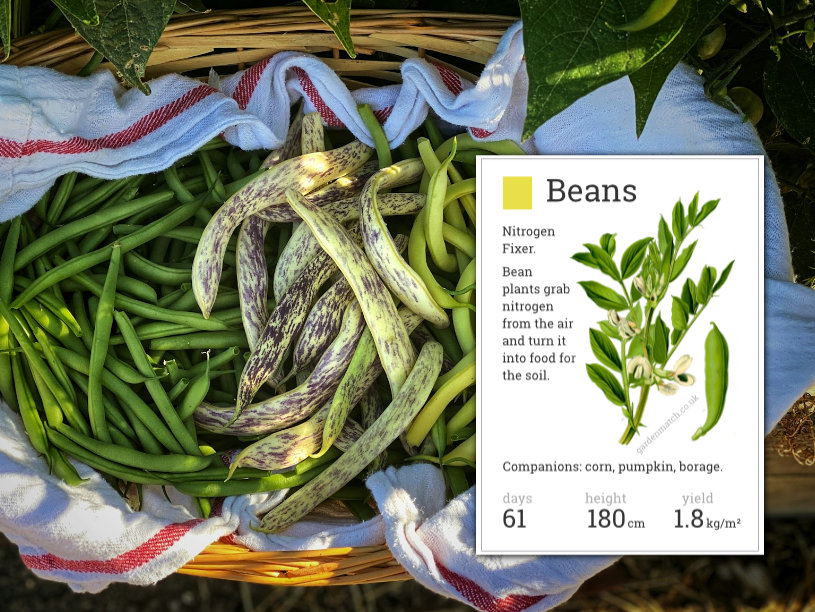
Benefit of Growing Beans in Sandy Soil
Good drainage in sandy soil prevents waterlogging, avoiding the risk of root rot, while its loose texture allows roots to penetrate easily. Although sandy soil is naturally low in nutrients, beans enhance its fertility by fixing nitrogen from the air. To retain moisture and enrich the soil, apply plenty of mulch and compost, and irrigate in dry weather.
Warm Season Vegetables Like Sandy Soil
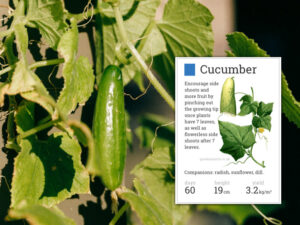
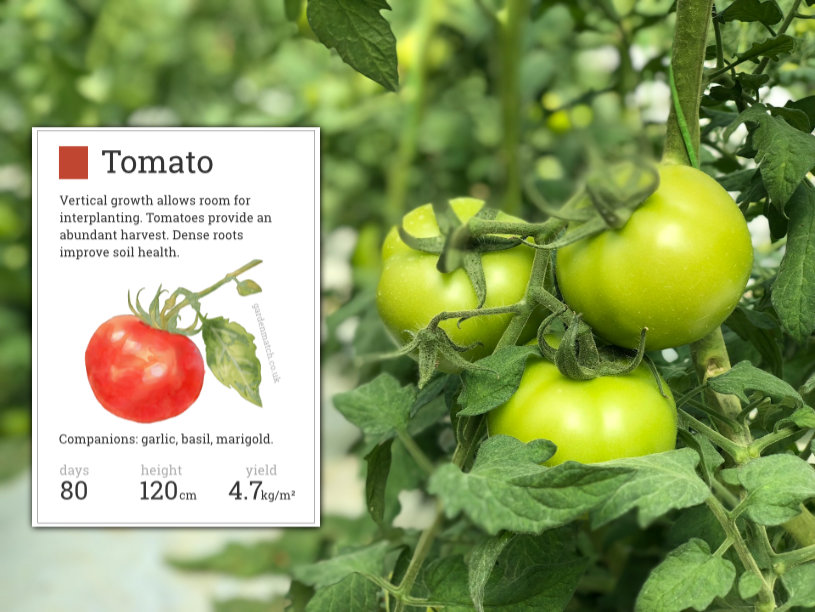
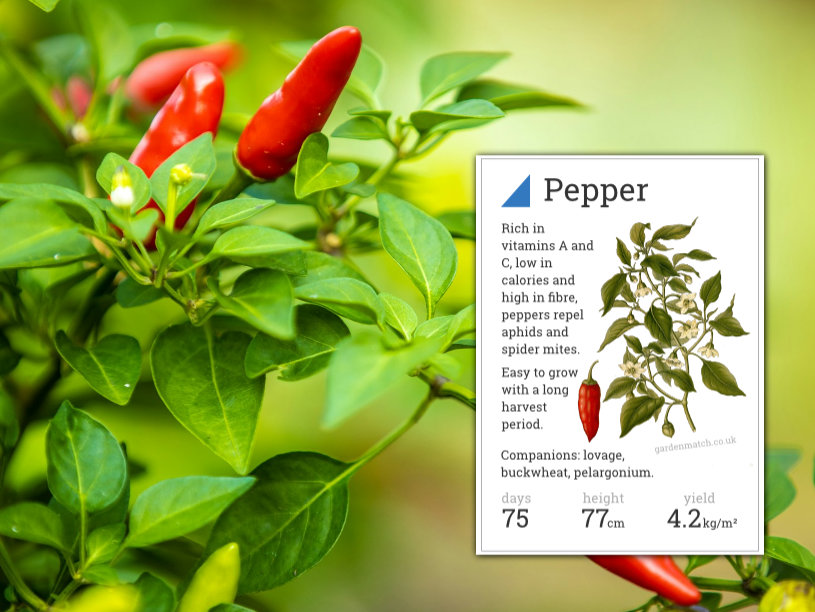
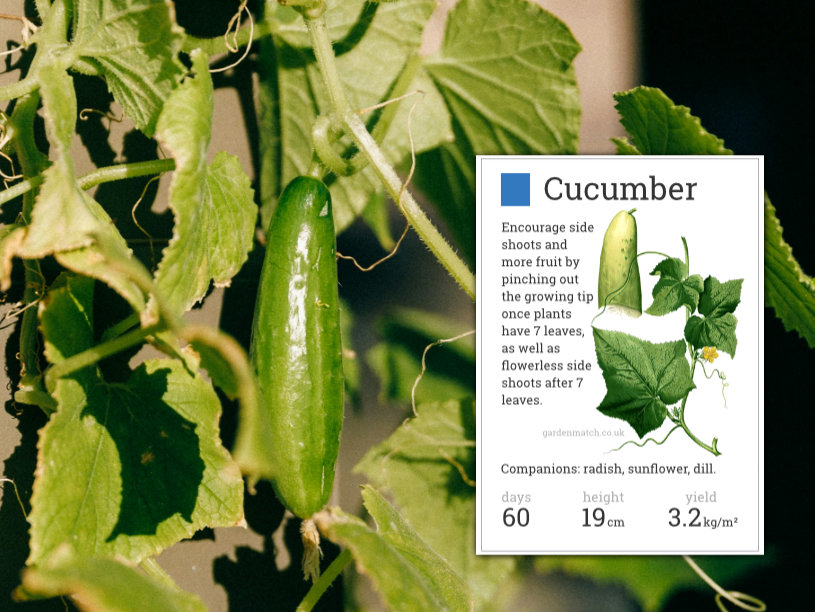
Cucumbers, tomatoes, and peppers can be referred to as warm-season vegetables, fruiting vegetables, or tender crops, since they thrive in warm conditions and produce edible fruits.
These vegetables grow well in sandy soil because of its good drainage, which prevents root rot, and its ability to warm up quickly, promoting early growth. The loose texture allows roots to penetrate deeply, helping with water and nutrient uptake. However, unlike beans, these crops do not fix nitrogen and require additional nutrients. To support healthy growth, regular feeding with compost or fertiliser is essential, along with watering when dry as sandy soil dries out quickly. Mulching is important to retain moisture and improve fertility.
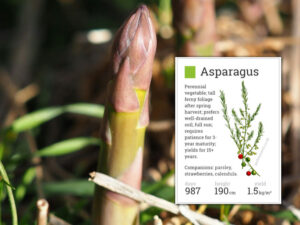
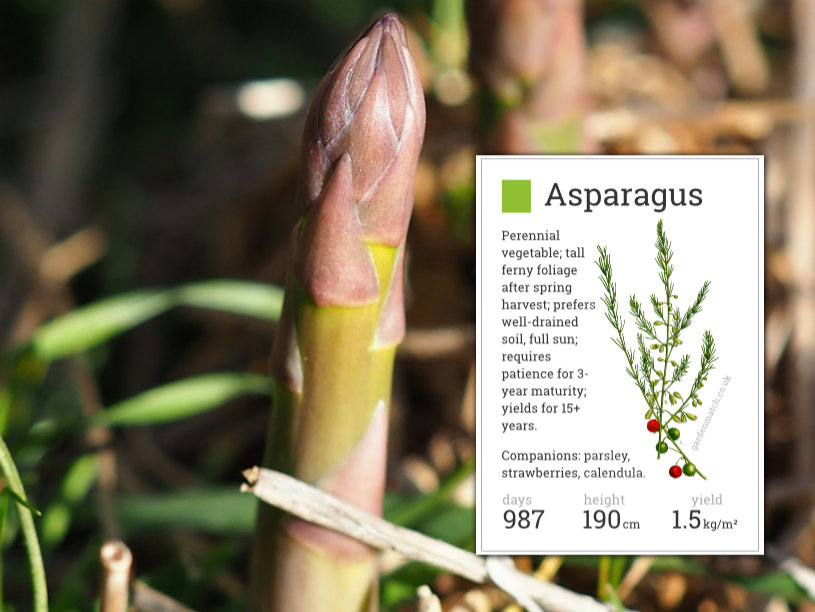
Why Asparagus Likes Sandy Soil
Asparagus thrives in sandy soil because of its excellent drainage, which prevents root rot, and its loose texture, allowing the deep root system to establish easily. Sandy soil also warms up quickly in spring, encouraging early growth. Additionally, asparagus is a perennial crop, meaning it stays in the same spot for years, and sandy soil reduces the risk of soil compaction, which could otherwise hinder its long-term health.
Mulching, fertilising, and irrigation are essential for asparagus, but with some differences compared to warm-season vegetables. Like tomatoes, cucumbers, and peppers, asparagus benefits from mulching to retain moisture, suppress weeds, and regulate soil temperature. However, it requires heavier mulching in winter to protect the crowns and a fresh layer in spring for moisture retention. While irrigation is important, asparagus is more drought-tolerant once established, needing less frequent watering than shallow-rooted warm-season crops. Fertilisation should be done in early spring before growth begins and again after harvest to replenish nutrients for the next season, rather than with frequent feeding throughout the growing period.
Vegetables That Struggle in Sandy Soil
Brassicas like cabbage, broccoli, and cauliflower require nutrient-rich, moisture-retentive soil to grow large, healthy heads, so they struggle in sandy soil. Salad crops like lettuce can grow in sandy soil but tend to dry out quickly and need frequent watering. While potatoes, as a root crop, can grow in sandy soil, they will struggle without additional organic matter to help retain moisture and nutrients.
Gallery of Vegetables to Grow in Sandy Soil
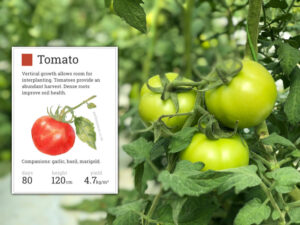
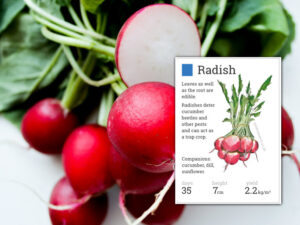
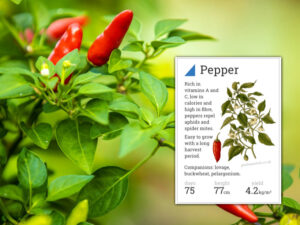

Vegetables to Grow in Sandy Soil Related Articles
Case Study about building a Permaculture garden on sandy soil from Living Permaculture.
How We Selected The List of Vegetables
We found 14 gardening blog articles about vegetables to grow in sandy soil and we also asked ai. In all those articles a total 26 vegetables were listed, we selected those that were mentioned most often. All the articles recommended growing carrots and radishes in particular, the others were mentioned in around half of the articles.
Sandy Soil Vegetables Image Credits
Tomato by Soo Ann Woon on Unsplash
Beetroot photo by Monika Grabkowska on Unsplash
Peppers photo by Nick Artman on Unsplash
Cucumber photo by Olena on Unsplash
Radishes photo by Jo Lanta on Unsplash
Carrots photo by Maja Vujic on Unsplash
Beans photo by Eniko Torneby on Unsplash
Asparagus photo by Glen Carrie on Unsplash
Garlic photo by Glen Carrie on Unsplash