These 9 edible flowers look fantastic and all provide a range of benefits as companion plants in the garden, mainly attracting pollinators and repelling pests. All of them are included in our collection of garden match cards, available to download from our homepage.
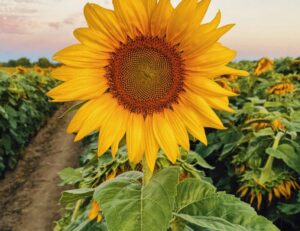
Sunflower
Multiple uses, sunflower seeds are rich in protein and unsaturated fats, ideal for eating raw, in salads or as an ingredient in baked goods. Sunflower oil is used in frying and baking, and young sunflower shoots can be used in salads.
For health, sunflower seeds are a source of vitamin E, magnesium and selenium, which support immunity, heart and skin health. Regular consumption of sunflower helps maintain good cholesterol levels and has anti-inflammatory effects.
In the garden, sunflower attracts birds and bees, tall stems can serve as natural support for climbing plants and deep roots loosen the soil. Also an excellent decorative plant.

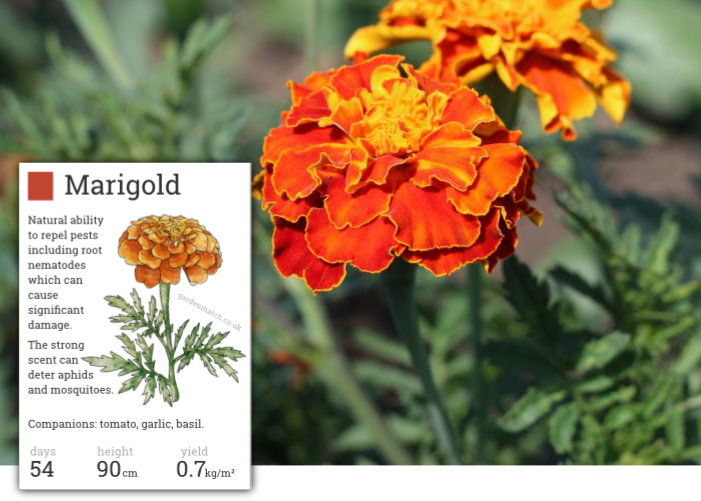
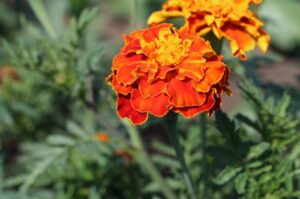
Marigold
Edible flowers, Marigold (Tagetes) has flowers with a delicate citrus flavour. Its petals are used as a natural colouring and addition to salads, desserts or infusions. They give dishes a distinctive and beautiful appearance. Dried petals can be used in the kitchen instead of saffron.
For health, supports digestion and has an anti-inflammatory effect. Infusions of its flowers help with stomach problems and the antioxidants it contains protect against free radicals.
In the garden, Marigold repels nematodes, aphids and other pests while attracting pollinators. It boosts soil health and works well as a companion plant.
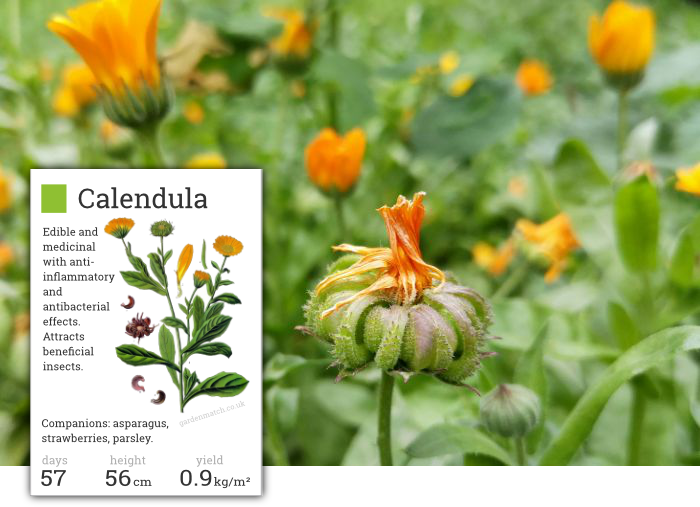
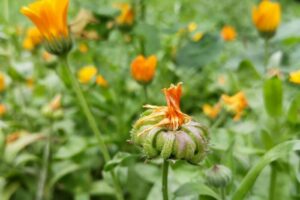
Calendula / Pot Marigold
A unique plant with edible yellow or orange petals that are great in salads, teas or as a natural colouring and saffron substitute in cooking.
Also valued in the garden – it repels pests such as nematodes and attracts pollinators, promoting healthy growth of other plants.
Numerous health benefits, it contains antioxidants such as flavonoids and carotenoids, which promote skin regeneration and have anti-inflammatory effects. Infusions help with digestive problems and relieve sore throats.
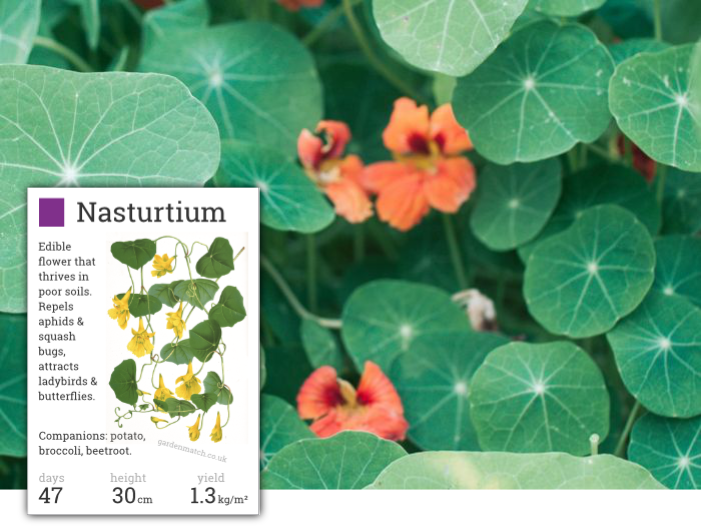
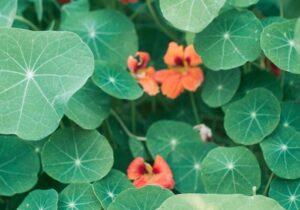
Nasturtium
Edible leaves, flowers and unripe seeds that have a spicy, peppery flavour. Great in salads, sandwiches or as a garnish for dishes. The unripe seeds can be marinated as a substitute for capers.
In the garden, nasturtium repels aphids, effectively protecting other plants, while attracting pollinators such as bees. It is easy to grow and performs even in poor soils, making it a great choice for any garden.
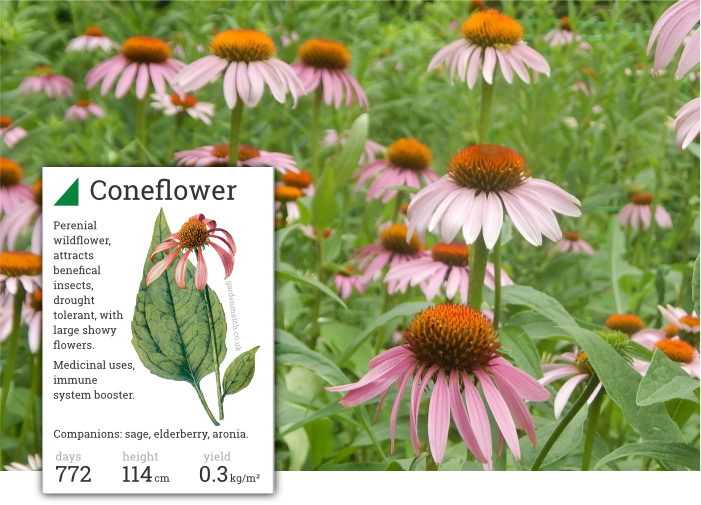
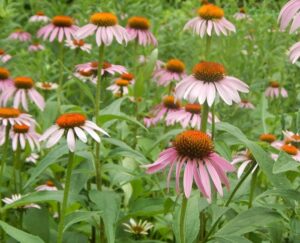
Coneflower
A beautiful perennial, coneflower (Echinacea) has edible leaves and flowers that can be added to salads, teas or as a garnish.
For health, echinacea supports immunity and shortens the duration of infections such as the common cold. It has anti-inflammatory and antimicrobial effects, helping the body to fight disease. Infusions and extracts of the root and flowers are also used to improve digestion.
Drought tolerant, coneflower attracts bees and butterflies, promoting pollination.
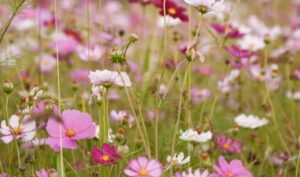
Cosmos
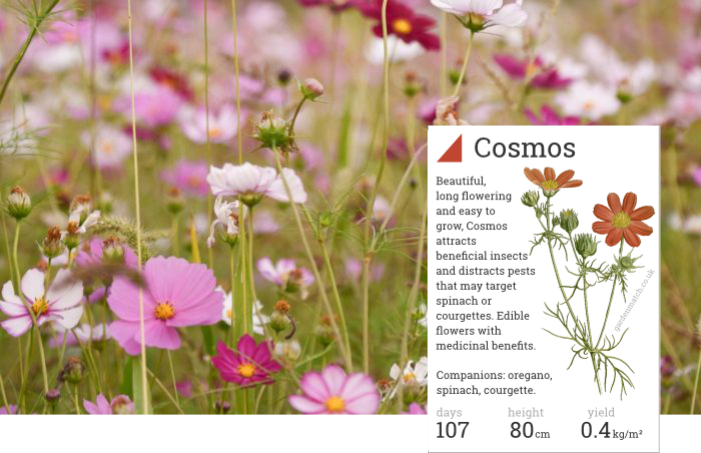
Cosmos (Cosmos bipinnatus) is a delicate flower with a subtle flavour that can be added to salads, desserts or as a garnish. Its petals are suitable for flavouring drinks or as an aesthetic addition.
Antioxidant properties (with phenolic compounds, flavonoids and carotenoids) anti-inflammatory and beneficial for skin health.
In the garden, cosmos attracts bees and butterflies, aiding pollination. Easy to grow and drought tolerant, it’s a great companion plant.
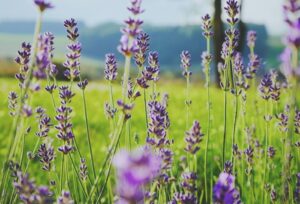
Lavender
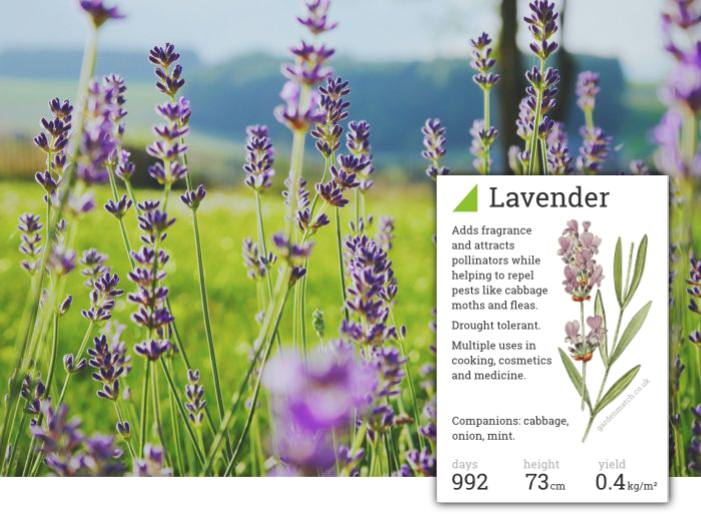
Edible lavender (Lavandula angustifolia) is an aromatic herb with a subtle flavour that works well in the kitchen as an addition to desserts, baked goods, lemonades or teas.
Lavender has a calming effect and promotes sleep. An infusion of its flowers relieves stress, muscle tension and digestive problems. When applied externally, lavender oil has an antibacterial effect, soothes burns and speeds up the healing of minor wounds.
In the garden, lavender attracts bees and butterflies, promoting pollination. It repels aphids, ticks and mosquitoes, making it a great companion plant. It is easy to grow, drought tolerant and beautifully fragrant, creating charming beds.
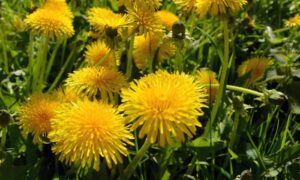
Dandelion
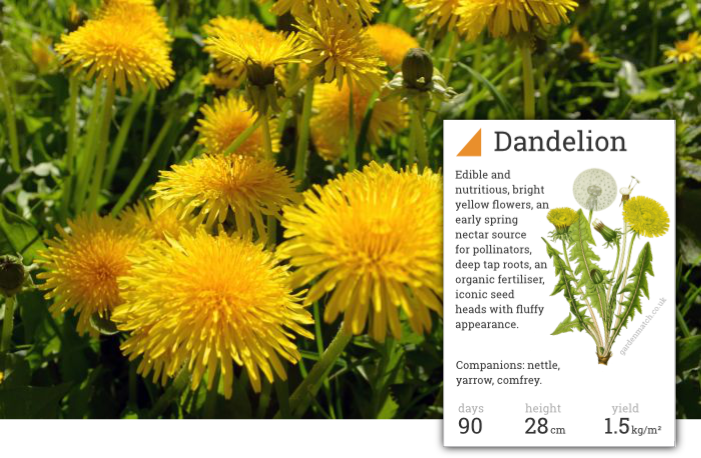
Dandelion (Taraxacum officinale) is fully edible. Young leaves are great in salads, pesto or as an addition to soups and sandwiches. Flowers can be used to make syrup, wine or garnish dishes, and the roots are used to brew herbal coffee.
For health, dandelion aids digestion, has a diuretic and detoxifying effect. Its extracts are used to improve liver function, lower cholesterol and to combat constipation. Dandelion infusions strengthen immunity and help with inflammation.
In the garden, dandelion attracts bees and other pollinators, which promotes the ecosystem. Its deep roots loosen the soil and promote plant access to nutrients. Although considered a weed, it is valuable in permaculture and natural cultivation.
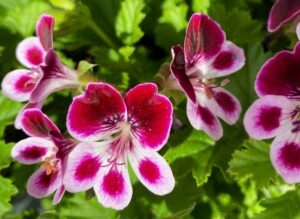
Pelargonium
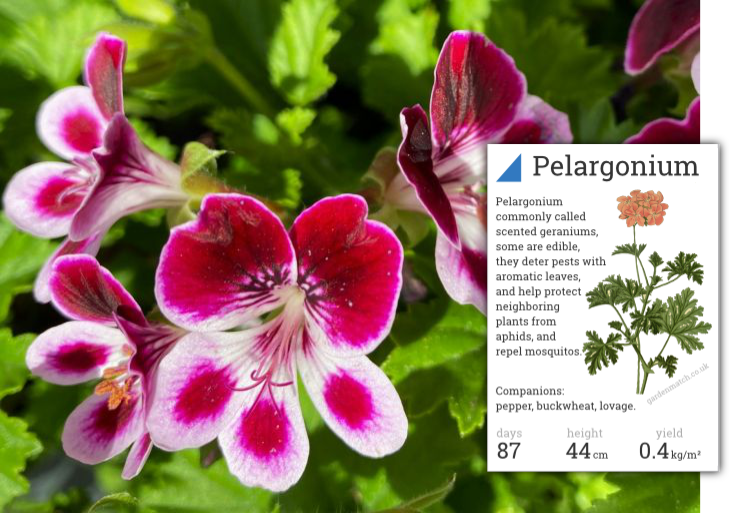
Pelargonium (Pelargonium graveolens) is a plant with aromatic leaves, can be added to desserts, teas, jams and baked goods, giving subtle scent of rose, citrus or mint (depending on the variety).
For health, geranium has a calming and anti-inflammatory effect. Infusions of the leaves can support the digestive system and reduce stress. Pelargonium essential oil has antibacterial and antifungal properties, making it an effective remedy for skin care and minor infections.
In the garden, geranium repels mosquitoes and aphids, making it great as a protective plant. It is ornamental, easy to grow and grows well in pots to create fragrant accents in the garden or on the balcony.
Edible Flowers to Discourage Mosquitos and Ticks
Lavender, Marigolds (Tagetes) and Pelargonium are known to discourage mosquitos and ticks, though concentrated oils and crushed leaves will be more effective than the plants alone.
Good Companions: Edible Flowers Gallery
Flower Name Confusion
Please note that Calendula and Tagetes are different species, but both are sometimes called Marigolds! Likewise Pelargonium are sometimes called geraniums, even though geraniums is also the botanical name of a separate genus of related plants.
Photo Credits
Photos on this page are taken from Unsplash, Marigold, Calendula, Sunflower, Nasturtium, Lavender, Pelargonium, Dandelion, Cosmos, Coneflower.